

How Dental Clinics Manage Appointment Questions at Scale
Dental clinics spend a significant portion of their day answering appointment-related questions.
Patients want to know:
-
Do you have availability this week?
-
How much does a consultation cost?
-
Can I book an emergency appointment?
-
Are you open on weekends?
-
Do you accept my insurance?
-
Can I reschedule my appointment?
For smaller clinics, these enquiries may seem manageable. However, as patient volume grows, appointment questions can quickly overwhelm reception teams and create delays that affect both staff productivity and patient experience.
The challenge is no longer simply booking appointments. It is managing hundreds of appointment-related conversations across multiple communication channels while ensuring patients receive timely responses.
Why Appointment Questions Create a Bottleneck
Many dental clinics still rely heavily on reception staff to answer every incoming enquiry.
A typical day may include:
-
Phone calls
-
Website enquiries
-
WhatsApp messages
-
Facebook messages
-
Instagram direct messages
-
Follow-up appointment requests
Each enquiry may appear simple, but collectively they consume a large amount of staff time.
As enquiry volume increases, receptionists often find themselves switching constantly between conversations while simultaneously managing patients at the front desk.
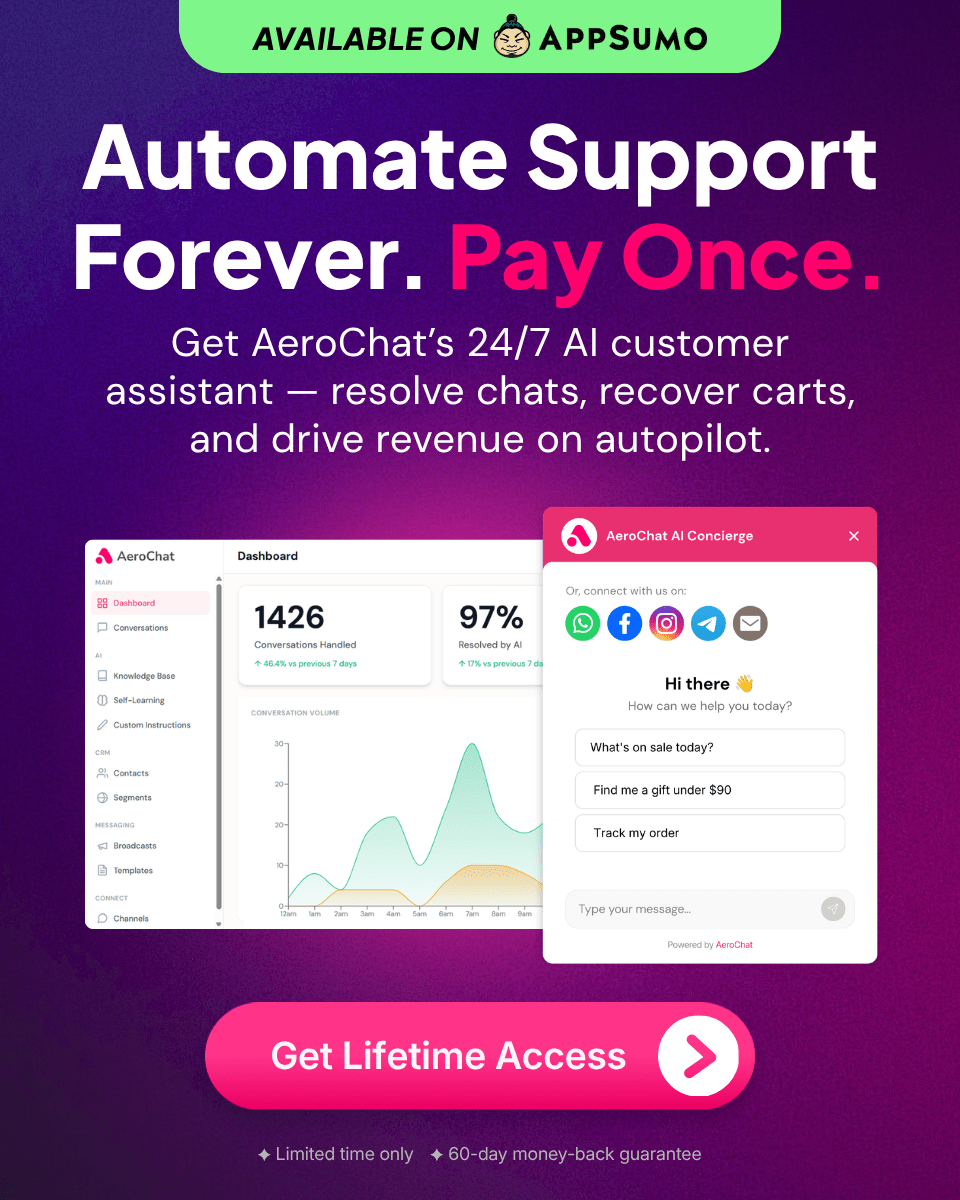
This is one reason many clinics are exploring solutions such as AI Chatbot for Dental and Orthodontic Practices and automated communication systems.
The Most Common Appointment Questions Patients Ask
Most appointment enquiries fall into a relatively small number of categories.
Patients commonly ask:
Availability Questions
-
Do you have an appointment tomorrow?
-
What is your earliest available slot?
-
Are there any evening appointments available?
Treatment Questions
-
Do I need a consultation first?
-
How long does the treatment take?
-
How many visits are required?
Cost Questions
-
How much does a cleaning cost?
-
Do you offer payment plans?
-
Is consultation included?
Rescheduling Questions
-
Can I change my appointment?
-
What happens if I miss my appointment?
Because these questions are repetitive, they are ideal candidates for automation.
Why Patients Expect Immediate Responses
Patient expectations have changed dramatically.
People no longer expect to wait until office hours to receive information.
Many appointment enquiries happen:
-
After work
-
During weekends
-
Late at night
If patients cannot get answers quickly, they often contact another clinic.
This is similar to the broader trend discussed in Why Customers Expect Businesses to Reply Instantly on WhatsApp.
For dental clinics, delayed responses can mean missed appointments and lost revenue opportunities.
The Challenge of Managing Multiple Communication Channels
Today’s patients communicate differently.
Some prefer:
-
Phone calls
-
Facebook Messenger
-
Website chat
The challenge is that enquiries become fragmented across channels.
Without a central communication system, staff must constantly switch between platforms, increasing the risk of missed messages.
This problem becomes even more difficult for clinics with multiple dentists, multiple locations, or specialised treatment teams.
A growing number of clinics are adopting unified communication solutions similar to those discussed in Manage Website WhatsApp Instagram Chat.
How High-Volume Clinics Handle Appointment Questions Efficiently
Successful clinics typically follow a layered approach.
Step 1: Automate Repetitive Questions
Frequently asked questions can be answered instantly.
Examples include:
-
Operating hours
-
Treatment availability
-
Consultation fees
-
Clinic location
-
Insurance information
This reduces workload for reception teams.
Step 2: Route Complex Questions to Staff
Not every enquiry should be automated.
Questions involving:
-
Complex treatment planning
-
Medical concerns
-
Insurance disputes
-
Special requests
should be escalated to staff members.
Step 3: Keep Conversation History Available
Patients dislike repeating information.
Having access to previous conversations allows clinics to provide a smoother experience and resolve enquiries faster.
The Role of AI in Dental Appointment Management
Modern AI systems can help clinics manage appointment enquiries without replacing reception teams.
Instead, AI handles repetitive interactions while staff focus on patients who require personal attention.
AI can assist with:
-
Answering appointment questions
-
Providing treatment information
-
Collecting booking details
-
Handling after-hours enquiries
-
Routing conversations to the right team member
This approach is similar to the benefits discussed in How AI Helps Small Teams Handle More Customer Conversations.
The result is a more efficient workflow without increasing headcount.
Why Omnichannel Support Matters for Dental Clinics
Patients do not think in channels.
They simply want answers.
A patient may:
-
Discover a clinic on Instagram.
-
Ask a question on WhatsApp.
-
Visit the website.
-
Book an appointment.
From the patient’s perspective, this is one continuous journey.
Clinics that manage all conversations from a single platform are often better positioned to provide consistent service and reduce response times.
This is where Omnichannel Support Chatbot solutions can help create a more seamless patient experience.
Final Thoughts
Appointment enquiries are one of the most common and time-consuming communication challenges facing dental clinics today.
As patient expectations increase and communication channels multiply, relying entirely on manual processes becomes increasingly difficult.
The most successful clinics are not necessarily those with the largest reception teams. They are the clinics that combine efficient workflows, automated responses, and human expertise to deliver fast, accurate patient communication.
By automating routine appointment questions while allowing staff to focus on higher-value interactions, dental clinics can improve patient satisfaction, reduce administrative workload, and scale operations more effectively.
For clinics looking to provide 24/7 support without hiring more staff, combining AI with omnichannel communication can help ensure that every patient enquiry receives a timely response.
Dental clinics manage a predictable set of inbound questions: availability, treatment options, costs and insurance. The AI chatbot for dental practices covers the tools built for this, and appointment scheduling chatbots covers the booking automation that reduces receptionist workload. For clinics also using WhatsApp as a patient communication channel, handling high WhatsApp message volumes is relevant context.