
10 Ways to Start an Ecommerce Business in 2026

Starting an ecommerce business in 2026 is not just about uploading products to a website and waiting for orders. Online shoppers now expect fast replies, smooth checkout, clear delivery information, easy returns and personalised product recommendations.
If you want to know how to start an ecommerce business properly, you need to build the right foundation from the beginning. That means choosing the right niche, validating demand, setting up your store, planning fulfilment, creating trust and using automation where it helps.
This guide explains 10 practical ways to start an ecommerce business in 2026 and build it for long-term growth.
What You Need to Start an Ecommerce Business
To start an ecommerce business, choose a profitable niche, research your target customers, source the right products, build an online store, set up payments and shipping, create product pages, launch marketing campaigns and use customer service automation to handle enquiries as the business grows.
The most successful ecommerce businesses are not built only around products. They are built around clear positioning, strong customer experience and repeatable systems.
1. Choose a Profitable Ecommerce Niche
The first step is deciding what you want to sell and who you want to sell it to.
A good ecommerce niche should have real demand, clear customer problems and enough margin to make the business sustainable. Avoid choosing a product only because it looks popular on social media. A trending product may get attention quickly, but it can also become crowded fast.
Look for niches where customers already spend money and need help choosing the right product.
Examples include:
- Skincare and beauty products
- Pet supplies
- Home organisation products
- Fitness accessories
- Baby and parenting products
- Eco-friendly household items
- Fashion accessories
- Health and wellness products
- Digital products
- Niche hobby products
A strong niche gives your ecommerce business a clear direction. It also makes your branding, content, ads and product recommendations easier to create.
2. Research Your Target Customers
Before building your store, understand who your customers are and what they care about.
Ask questions like:
- What problem are they trying to solve?
- What products are they already buying?
- What makes them hesitate before purchasing?
- Which social platforms do they use?
- Do they prefer low price, premium quality, fast delivery or expert guidance?
- What questions do they ask before buying?
This research helps you avoid generic product pages. Instead of saying “high-quality product”, you can explain why the product fits the customer’s specific need.
For example, if you sell skincare, your customers may care about skin type, ingredients, sensitivity, reviews and routine steps. If you sell tech accessories, they may care about compatibility, warranty, durability and delivery speed.
The better you understand your buyer, the easier it becomes to write product descriptions, FAQs and support answers that actually convert.
3. Validate Product Demand Before Investing Too Much
One common ecommerce mistake is buying too much inventory before proving demand.
Before spending heavily, validate your product idea. You can do this by:
- Checking search demand
- Studying competitor reviews
- Testing small ad campaigns
- Posting product concepts on social media
- Creating a landing page
- Taking pre-orders
- Starting with a small product batch
- Asking potential customers what they would buy
Customer reviews on competitor websites are especially useful. Positive reviews show what people love. Negative reviews show gaps you can improve.
Look for repeated complaints such as poor packaging, unclear sizing, slow replies, confusing instructions or weak after-sales support. These are opportunities to position your store better.
4. Decide Your Ecommerce Business Model
There are different ways to run an ecommerce business. The right model depends on your budget, risk level and operational capacity.
Common ecommerce models include:
| Business Model | How It Works | Best For |
|---|---|---|
| Dropshipping | Supplier ships products directly to customers | Beginners testing products with lower upfront inventory |
| Private label | You sell products under your own brand | Businesses that want stronger brand control |
| Wholesale | You buy products in bulk and resell them | Stores with storage and inventory budget |
| Print on demand | Products are printed after an order is placed | Creators and niche merchandise brands |
| Handmade products | You produce or customise items yourself | Personal brands and craft businesses |
| Digital products | You sell files, templates, courses or downloads | Low-inventory businesses with expertise |
Each model has pros and cons. Dropshipping may be easier to start, but shipping times and quality control can be harder to manage. Private label requires more investment but gives you more brand control. Digital products have fewer fulfilment issues but need strong content and trust.
Choose the model that matches your resources and long-term plan.
5. Build a Simple but Trustworthy Online Store
Your ecommerce website does not need to be complicated at the start. It needs to be clear, fast and trustworthy.
A good ecommerce store should include:
- Clear homepage message
- Easy navigation
- Product categories
- High-quality product images
- Detailed product descriptions
- Delivery and return information
- Contact options
- Secure checkout
- Customer reviews
- FAQ section
- Mobile-friendly design
Most customers will not spend time figuring out your website. If they cannot understand what you sell, how much it costs, when it will arrive or how to contact you, they may leave.
For many new ecommerce businesses, Shopify is a strong option because it is built specifically for online selling. WooCommerce is also useful if you want to run ecommerce through WordPress.
If you plan to use Shopify, you can connect a Shopify AI chatbot to automate product questions, order updates and repetitive customer enquiries as your store grows.
6. Create Product Pages That Answer Buying Questions
Product pages should do more than list features. They should help customers make a decision.
A strong product page should answer:
- What is this product?
- Who is it for?
- What problem does it solve?
- What size, colour or variation is available?
- How does shipping work?
- What is the return policy?
- Is it compatible with anything else?
- What makes it different from other options?
- What do other customers say?
Use simple language. Avoid vague claims. Customers need practical details, not only marketing phrases.
For example, instead of saying:
“This is a premium-quality bag.”
Say:
“This waterproof laptop bag fits laptops up to 15 inches and includes separate compartments for chargers, documents and daily essentials.”
Specific details help customers trust the product and reduce pre-purchase questions.
7. Set Up Payments, Shipping and Returns Properly
Many ecommerce businesses lose customers because payment, shipping or return information is unclear.
Before launching, decide:
- Which payment methods you will accept
- Which countries or regions you will ship to
- How shipping rates will be calculated
- How long delivery usually takes
- What happens if a package is delayed
- Whether customers can return or exchange products
- Who pays for return shipping
- How refunds are processed
Put this information clearly on your website. Also add it to your FAQ and customer support knowledge base.
Clear policies reduce confusion and prevent repeated support questions later.
8. Use AI Customer Support From the Start
Customer support is often ignored when people think about how to start an ecommerce business. But support can directly affect sales.
New shoppers often ask questions before buying:
- “Is this available?”
- “Which product is best for me?”
- “How long is delivery?”
- “Can I return this?”
- “Do you have a discount?”
- “Where is my order?”
If these questions go unanswered, customers may leave and buy from another store.
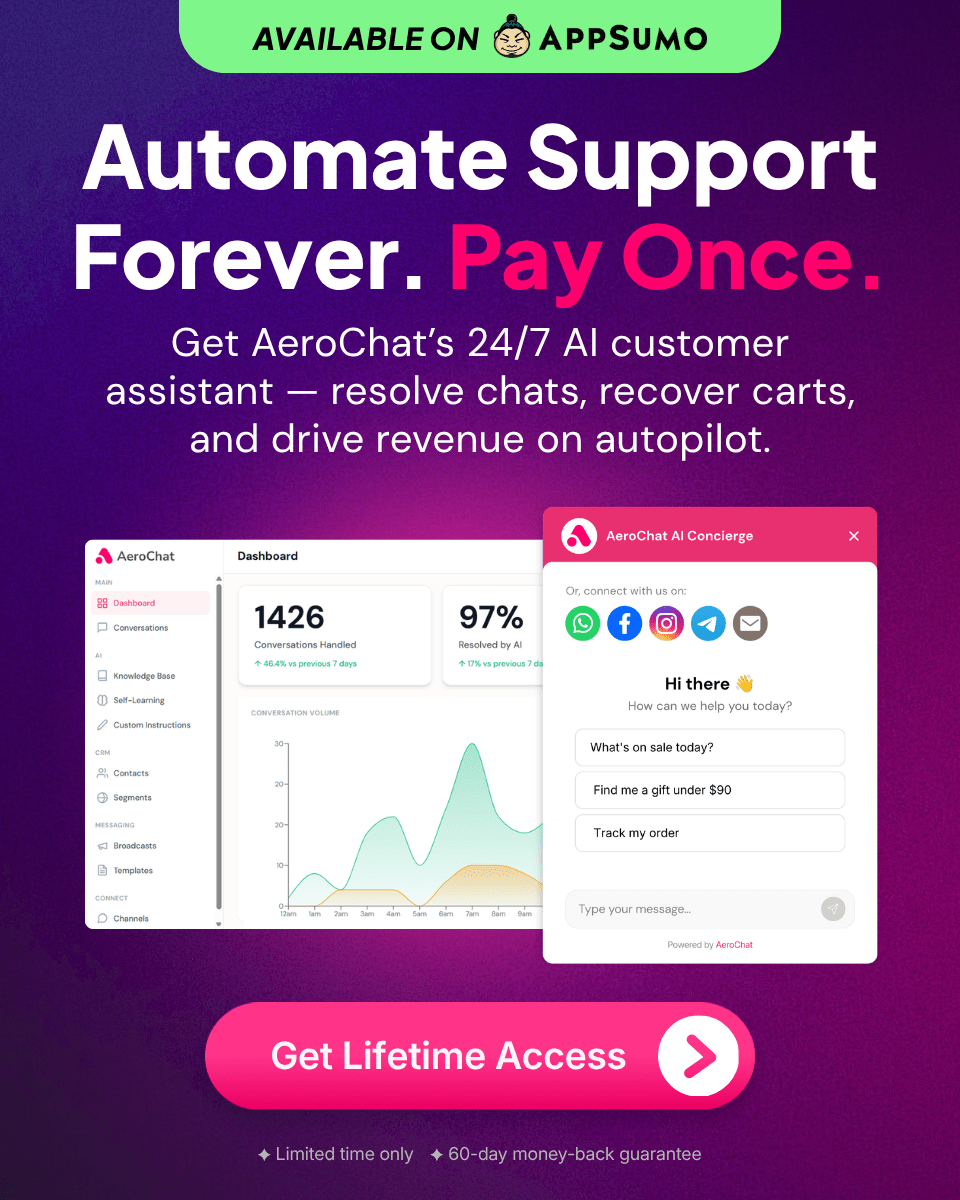
This is where an AI agent platform like AeroChat can help. AeroChat helps ecommerce businesses run customer service on autopilot by answering product questions, order updates and sales enquiries across website chat, WhatsApp, Instagram, Facebook Messenger, Telegram and email.
For Shopify stores, AeroChat’s Shopify chatbot integration helps automate product enquiries, order-related questions and sales conversations without manual workflow building, flowcharts or complex chatbot setup.
If your ecommerce store is built on WordPress or WooCommerce, a WordPress AI chatbot can help answer customer questions using your website content, FAQs, product information and business documents.
For mobile-first customer conversations, a WhatsApp AI chatbot can help automate customer support, order updates and sales follow-ups on WhatsApp.
You can also use a Telegram AI chatbot if your customers prefer Telegram for direct messaging, community updates or post-purchase support.
If Instagram is an important channel for product discovery and social commerce, you can also create a separate guide around the Top 10 Instagram AI Chatbots to support Instagram DM, comment automation and customer engagement.
9. Build Marketing Channels Before You Need Sales
Many ecommerce founders launch the store first and only think about marketing later. A better approach is to build marketing channels early.
You can start with:
- SEO blog content
- Product comparison pages
- Social media posts
- Instagram Reels and TikTok videos
- Email list building
- Influencer collaborations
- Google Shopping
- Meta ads
- Retargeting campaigns
- Customer referral campaigns
If your budget is limited, begin with content and organic social. Create helpful posts around customer questions, product use cases and buying guides.
For example:
- “How to choose the right skincare product for oily skin”
- “Best gift ideas for new pet owners”
- “What to check before buying a laptop bag”
- “How to style gold jewellery for daily wear”
These topics attract people who are already close to buying.
10. Track Performance and Improve Every Month
Launching your ecommerce business is only the beginning. After launch, you need to track what is working and what is not.
Important ecommerce metrics include:
- Website traffic
- Conversion rate
- Average order value
- Cart abandonment rate
- Customer acquisition cost
- Repeat purchase rate
- Refund rate
- Customer support volume
- Top customer questions
- Best-selling products
- Revenue by channel
Use these insights to improve your store.
If customers keep asking the same product questions, improve your product page or FAQ. If many people abandon checkout, review shipping costs or checkout steps. If one product gets traffic but low sales, improve images, pricing or product explanation.
Ecommerce growth comes from continuous improvement, not one-time setup.
Common Mistakes to Avoid When Starting an Ecommerce Business
Starting an ecommerce business is easier than before, but many new stores still fail because of avoidable mistakes.
Avoid these common issues:
- Choosing products without demand
- Copying competitors without clear positioning
- Using poor product images
- Writing thin product descriptions
- Hiding shipping and return details
- Ignoring customer support
- Depending only on paid ads
- Not building an email list
- Launching too many products at once
- Not tracking performance
A simple store with clear positioning, good product pages and fast customer support can outperform a bigger store with poor customer experience.
Ecommerce Business Launch Checklist
Before launching your store, make sure you have:
| Item | Status |
|---|---|
| Niche selected | |
| Product demand validated | |
| Supplier or fulfilment method confirmed | |
| Brand name and domain chosen | |
| Ecommerce platform selected | |
| Product pages created | |
| Payment methods set up | |
| Shipping and return policies written | |
| FAQ page created | |
| Customer support channel ready | |
| Email capture added | |
| Analytics installed | |
| First marketing campaign planned |
Final Thoughts
Learning how to start an ecommerce business in 2026 is not just about choosing a product and opening a store. You need to think about customer experience, support automation, product discovery, fulfilment, marketing and long-term retention.
Start simple, but build properly.
Choose a focused niche, understand your customers, validate demand, create a trustworthy store and use automation where it saves time. If you can answer customer questions faster, recommend the right products and reduce friction in the buying journey, your ecommerce business has a much better chance of growing.
FAQs About How to Start an Ecommerce Business
How do I start an ecommerce business as a beginner?
Start by choosing a niche, researching customer demand, selecting products, building an online store, setting up payments and shipping, and launching your first marketing campaign. Keep the first version simple and improve based on customer feedback.
How much money do I need to start an ecommerce business?
The cost depends on your business model. Dropshipping, print-on-demand and digital products usually require lower upfront costs, while private label or wholesale ecommerce needs more budget for inventory, branding and fulfilment.
What is the best ecommerce platform for beginners?
Shopify is popular for beginners because it is built for ecommerce and includes hosting, checkout, product management and app integrations. WooCommerce is another option for users who prefer WordPress.
Can I start an ecommerce business without inventory?
Yes. Dropshipping, print-on-demand, affiliate commerce and digital products allow you to start without holding physical inventory. However, you still need strong branding, customer support and marketing.
Is ecommerce still profitable in 2026?
Yes, ecommerce can still be profitable in 2026, but competition is higher. Profitability depends on choosing the right niche, managing costs, building trust, improving customer experience and using marketing channels effectively.
What products are best for ecommerce beginners?
Beginners should look for products with clear demand, simple fulfilment, good profit margins and low return complexity. Niche products with specific customer needs are often easier to position than broad generic products.
Do I need AI tools to run an ecommerce business?
You do not need AI tools to start, but they can help you scale faster. AI can support product descriptions, customer service, product recommendations, email replies, translations and repetitive support tasks.
How can AeroChat help ecommerce businesses?
AeroChat helps ecommerce businesses automate customer service, product enquiries, order updates and sales conversations across website chat, WhatsApp, Instagram, Facebook Messenger, Telegram and email. For Shopify stores, the Shopify AI chatbot integration can help automate product questions, order tracking and sales conversations from one platform.