
12 Best Agentic Customer Service Software for Automated Support
Customer support is changing fast. Basic chatbots are no longer enough for teams that need faster resolutions, better automation, and less manual work across email, chat, messaging apps, and ticket queues.
That is why more businesses are now looking at agentic customer service software. These platforms do more than answer simple questions. They can understand intent, take action, route conversations, assist agents, and automate real support workflows.
If you are comparing the best agentic customer service software, the right choice depends on your support volume, channels, workflow complexity, and how much autonomy you want the system to handle.
In this guide, you will find the 12 best agentic customer service software tools for automated support. Each platform is reviewed based on automation depth, support use cases, team fit, and practical business value.
What Is Agentic Customer Service Software?
Agentic customer service software is support technology designed to act more like a digital service agent than a simple scripted chatbot.
Instead of only replying with predefined answers, agentic systems can interpret customer intent, decide the next action, access relevant information, and move the conversation toward resolution.
In practical terms, this type of software may help with:
-
answering customer questions,
-
routing tickets,
-
handling repetitive support tasks,
-
escalating complex issues,
-
assisting human agents with context and suggestions.
The term “agentic” matters because it points to action, not just conversation.
A traditional chatbot may say, “Here is our return policy.”
An agentic support system may identify the order, check eligibility, guide the return process, and notify the team if a human should step in.
That is a major difference.
If you are still deciding whether your business actually needs full agentic capability, this guide to conversational AI vs agentic AI for ecommerce support breaks down which category most ecommerce stores genuinely need before you compare specific tools.
Why Businesses Are Adopting Agentic Customer Service Software
Support teams are under pressure to do more with the same headcount. Customers expect instant replies, always-on support, and consistent help across multiple channels.
At the same time, support leaders want to reduce repetitive work without damaging customer experience.
That is where agentic customer service software becomes valuable.
The best platforms help businesses:
-
reduce support workload,
-
improve response times,
-
automate repetitive workflows,
-
support agents with real-time context,
-
increase resolution rates without adding more staff.
For ecommerce brands, SaaS companies, and service businesses, this can create a major operational advantage.
How We Chose the Best Agentic Customer Service Software
To build this list, we focused on what matters in real support environments, not just feature claims.
We looked at each tool through the lens of automation quality, service workflow fit, and team usability.
The main criteria included:
-
automation depth,
-
omnichannel support,
-
ticketing and routing capability,
-
AI agent assistance,
-
knowledge base and training options,
-
ease of setup,
-
scalability for growing teams.
We also considered whether the platform feels like a true service agent system or just a chatbot with AI branding.
Quick Comparison Table
|
Software |
Best For |
Main Strength |
Best Fit |
|---|---|---|---|
|
AeroChat |
Omnichannel AI support automation |
Unified AI chat, live chat, and ticketing |
Ecommerce, Shopify-first support and support teams |
|
Intercom |
AI-first modern support teams |
Strong AI assistant and messenger workflows |
SaaS and tech companies |
|
Zendesk AI |
Enterprise support operations |
Mature ticketing and workflow automation |
Large support teams |
|
Freshdesk Omni |
Growing support teams |
Easy automation across channels |
SMBs and mid-market teams |
|
Gorgias |
Ecommerce-heavy support |
Shopify-first support workflows |
DTC and online stores |
|
Salesforce Service Cloud |
Complex enterprise service |
Deep workflow and CRM integration |
Large enterprises |
|
Ada |
AI automation at scale |
Automated self-service resolution |
High-volume support teams |
|
Forethought |
AI for support deflection and agent assist |
Strong generative support automation |
Mid-market and enterprise |
|
Kustomer |
Customer-centric service workflows |
Timeline-based support context |
Brands with complex journeys |
|
Zoho Desk |
Cost-conscious teams |
Broad support functionality at lower cost |
Small and growing businesses |
|
Help Scout |
Human-friendly support teams |
Clean inbox and simple automation |
Small support teams |
|
LivePerson |
Conversational automation at scale |
Messaging-first enterprise support |
High-volume digital brands |
The table gives a fast overview, but software fit depends on how your support team actually operates.
A small team may prioritize ease of use. A large team may need routing logic, agent assistance, and more advanced workflow control.
That is why each platform below is broken down by strengths, ideal use case, and limitations.
1. AeroChat
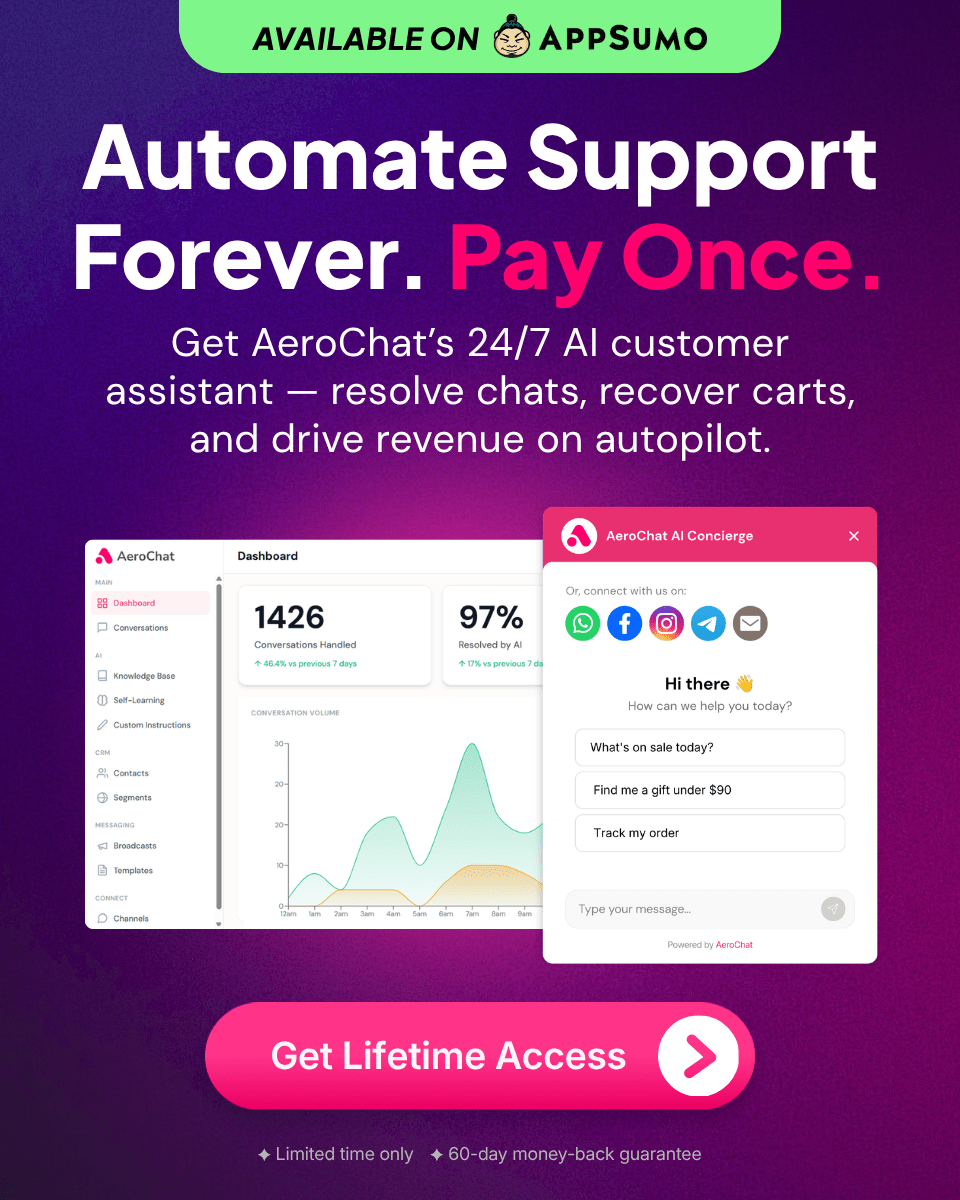
AeroChat is a strong choice for businesses that want agentic customer service software built around modern omnichannel support. It combines AI chat, live chat, and ticketing in one workspace, which makes it especially useful for teams handling support across web chat, WhatsApp, Messenger, Instagram, Telegram, email, and other channels.
What makes AeroChat stand out is its support-first design. It is built to reduce repetitive workload, understand customer intent, and support real service actions rather than just surface-level conversation.
For support teams that want one system for automated replies, routing, human handoff, and multi-channel visibility, AeroChat offers a practical all-in-one setup.
Best for
-
ecommerce brands,
-
SaaS support teams,
-
omnichannel customer service operations,
-
businesses needing AI plus human collaboration.
Key strengths
-
unified inbox across channels,
-
AI-powered customer intent handling,
-
automated routing and workflow support,
-
live chat and ticketing in one platform,
-
scalable for growing support teams.
Possible limitation
Teams that only need a simple website chatbot may find AeroChat more advanced than necessary.
2. Intercom
Intercom has become one of the best-known AI-driven customer service platforms for modern software businesses. It blends chat, automation, help center support, agent tools, and AI assistance in a polished ecosystem.
Its biggest appeal is the combination of user experience and strong AI positioning. Intercom works well for companies that want fast, messenger-style support with automation layered across the customer journey.
It is especially strong in SaaS, onboarding-heavy businesses, and teams that want the support experience to feel modern and conversational.
-
SaaS companies,
-
tech startups,
-
product-led businesses,
-
support teams with digital-first workflows.
-
strong messenger experience,
-
AI assistant and agent support tools,
-
knowledge-base integration,
-
proactive support workflows,
-
clean user experience.
Intercom can become expensive as usage, seats, and advanced features grow.
3. Zendesk AI
Zendesk remains one of the most established names in customer service software. Its AI capabilities build on a mature foundation of ticketing, routing, reporting, and enterprise workflow management.
For teams already operating structured support organizations, Zendesk AI is often one of the safest choices.
It is less about flashy chatbot experiences and more about operational control. That makes it attractive for larger teams that need scalable service infrastructure with AI support layered in.
-
enterprise support teams,
-
structured customer service departments,
-
large companies with multiple agents,
-
businesses needing strong reporting and process control.
-
mature support infrastructure,
-
AI-enhanced routing and assistance,
-
strong ticket management,
-
advanced reporting,
-
enterprise scalability.
Smaller businesses may find Zendesk too heavy, too complex, or too expensive for their needs.
4. Freshdesk Omni
Freshdesk Omni is a strong option for businesses that want customer service automation without the complexity of more enterprise-focused systems. It combines support channels, automation, AI features, and service workflows in a way that is approachable for growing teams.
It is often a good middle ground between lightweight tools and more operationally intense platforms.
For businesses that want a clearer path to automation without a steep learning curve, Freshdesk Omni is a solid contender.
-
SMBs,
-
mid-sized support teams,
-
businesses moving from basic helpdesk tools,
-
teams needing multi-channel support.
-
user-friendly setup,
-
support automation across channels,
-
helpful AI capabilities,
-
flexible for growing teams,
-
balanced feature set.
Very large enterprises may outgrow it if they need deeper custom workflows or advanced support architecture.
5. Gorgias
Gorgias is one of the strongest agentic customer service software options for ecommerce support, especially for Shopify-driven brands. It is built around ecommerce workflows and helps support teams manage customer requests with more context and efficiency.
Rather than acting as a generic support platform, Gorgias is closely aligned with online store operations. That makes it especially useful for handling repetitive order, shipping, refund, and customer history questions.
For brands with support teams tied closely to online sales and post-purchase issues, Gorgias fits naturally.
-
Shopify brands,
-
DTC ecommerce businesses,
-
online stores with high support volume,
-
support teams handling order-related issues.
-
ecommerce-focused workflows,
-
strong Shopify alignment,
-
customer support efficiency tools,
-
automation for repetitive support issues,
-
useful context for agents.
Businesses outside ecommerce may find more value in broader support platforms.
6. Salesforce Service Cloud
Salesforce Service Cloud is one of the most powerful customer service platforms on the market. It is designed for enterprise service organizations that need deep automation, CRM connectivity, and workflow customization.
Its strength is not simplicity. Its strength is depth.
For large companies with complex customer operations, Service Cloud can serve as the backbone of support, case management, and AI-assisted service.
-
large enterprises,
-
complex service organizations,
-
teams already using Salesforce,
-
businesses needing deep customization.
-
advanced workflow capability,
-
CRM integration,
-
large-scale service management,
-
customizable automation,
-
enterprise-grade scalability.
It often requires more setup, more process maturity, and more budget than smaller teams can justify.
7. Ada
Ada is focused heavily on AI-powered support automation. It is built to help businesses resolve customer questions through self-service and reduce pressure on human support teams.
That makes it especially relevant for companies with high support volume and a strong need for automated resolution.
Ada is often strongest where repetitive questions are common and support operations need to scale efficiently across a large customer base.
-
high-volume support teams,
-
digital businesses with repetitive support demand,
-
companies focused on self-service automation,
-
teams wanting lower support deflection costs.
-
AI-first automation focus,
-
scalable self-service support,
-
strong support deflection capability,
-
useful for repetitive issues,
-
enterprise-friendly automation.
Teams wanting a broader all-in-one live chat and ticketing workspace may prefer a more unified platform.
8. Forethought
Forethought is an AI customer service platform known for applying generative AI to support workflows. It focuses on helping teams automate responses, improve self-service, and assist agents with context-rich suggestions.
Its value often comes from boosting efficiency without requiring a full replacement of existing support systems.
That makes it attractive for businesses that already have a support stack but want stronger AI capabilities added to it.
-
mid-market support teams,
-
enterprises wanting stronger AI automation,
-
teams adding AI to an existing helpdesk,
-
businesses with repetitive support patterns.
-
generative AI support automation,
-
agent assistance features,
-
support deflection tools,
-
compatibility with support operations,
-
useful for scaling service efficiency.
It may be less appealing to small businesses looking for a simple, all-in-one support platform.
9. Kustomer
Kustomer is built around a customer timeline model, which helps support teams see conversations and interactions in a broader context. That makes it a strong fit for service organizations where the customer journey matters as much as the ticket itself.
Its platform design supports more personalized service and better continuity across channels and interactions.
For brands that want customer-centric service workflows instead of isolated ticket handling, Kustomer has clear value.
-
customer-centric service teams,
-
brands with complex support journeys,
-
teams needing strong context visibility,
-
omnichannel service environments.
-
timeline-based support view,
-
strong customer context,
-
omnichannel support readiness,
-
workflow flexibility,
-
good continuity across interactions.
Teams that prefer simpler traditional helpdesk models may find it requires a mindset shift.
10. Zoho Desk
Zoho Desk is often a strong option for businesses that want broad support functionality without paying enterprise-level pricing. It offers ticketing, automation, reporting, AI assistance, and integrations in a cost-conscious package.
For many growing businesses, that makes it a practical entry into more advanced support software.
It may not lead every category, but it often performs well on value.
-
small businesses,
-
growing support teams,
-
budget-conscious organizations,
-
teams already using Zoho products.
-
affordable support software,
-
broad core functionality,
-
useful automation tools,
-
accessible for smaller teams,
-
strong value for cost.
Some larger teams may eventually want more advanced or specialized service workflows.
11. Help Scout
Help Scout is popular with support teams that want a more human and less corporate service experience. It offers shared inbox support, knowledge base tools, automation, and customer context in a clean, approachable interface.
It is especially appealing to smaller teams that care about customer communication quality and want software that feels easy to use.
Help Scout is not the most agentic platform on this list, but it remains a very practical support solution for teams that want thoughtful automation without complexity overload.
-
small support teams,
-
service-focused brands,
-
businesses that prioritize human support quality,
-
teams wanting simple support software.
-
easy-to-use interface,
-
clean shared inbox workflows,
-
helpful knowledge base tools,
-
light automation,
-
strong support team usability.
Businesses looking for deeper AI autonomy may need a more advanced platform.
12. LivePerson
LivePerson is built for enterprises that want conversational support and messaging automation at scale. It is especially relevant for companies managing a large amount of customer messaging across digital channels.
Its focus is less on simple helpdesk structure and more on conversational engagement and automation in high-volume environments.
For major digital brands, telecoms, finance businesses, and service-heavy enterprises, LivePerson can be a serious option.
-
enterprise messaging support,
-
high-volume digital customer service,
-
brands with conversational support models,
-
large companies managing many interactions.
-
messaging-first support model,
-
large-scale conversational automation,
-
enterprise readiness,
-
strong digital engagement support,
-
suitable for complex support volume.
Smaller teams may find it too specialized and too enterprise-focused.
Best Agentic Customer Service Software by Use Case
The best platform depends on what your support team needs most.
A tool that works well for a growing ecommerce brand may not be the right fit for an enterprise service department or a SaaS onboarding team.
Here is a simple breakdown by use case.
Best for omnichannel automated support
AeroChat is a strong fit for businesses that need AI support, human collaboration, and multi-channel visibility in one platform.
It works especially well for teams managing support across website chat, social messaging, and ticket-based workflows.
Best for SaaS and modern digital support
Intercom is one of the strongest choices for SaaS companies and digital-first support teams that want a modern, conversational support experience.
It works well when support, onboarding, and customer communication are tightly connected.
Best for enterprise support operations
Zendesk AI and Salesforce Service Cloud are the best fits for large organizations that need process control, reporting, scale, and structured workflows.
These tools are strongest when customer service is already a mature operational function.
Best for ecommerce support automation
Gorgias stands out for ecommerce brands, especially Shopify-based stores, because it aligns closely with post-purchase support and online store workflows.
Best for AI-led self-service
Ada and Forethought are strong options for businesses that want to automate large amounts of customer support through AI-driven self-service and deflection.
Best for budget-conscious teams
Zoho Desk and Freshdesk Omni offer strong value for growing teams that want more automation without jumping straight to enterprise pricing or complexity.
How to Choose the Right Agentic Customer Service Software
Choosing the right platform becomes easier when you focus on your support reality, not just feature lists.
Start by asking what your team needs the software to do every day.
The most important decision factors include:
-
support volume,
-
communication channels,
-
team size,
-
workflow complexity,
-
automation goals,
-
budget,
-
internal technical readiness.
Choose based on support complexity
If your support team handles simple, repetitive queries, an AI-first automation platform may be enough.
If your support organization deals with escalations, routing, collaboration, and multiple service tiers, you will need a more complete service platform.
Choose based on channel mix
If your customers contact you across email, website chat, WhatsApp, Messenger, and social channels, omnichannel visibility matters.
If most support happens through one channel, you may not need the same level of communication coverage.
Choose based on team maturity
A lean startup team may prefer ease of use and speed.
A large support department may need permissions, workflow controls, reporting, and advanced operational features.
Choose based on AI role
Some businesses want AI to assist agents. Others want AI to resolve as much as possible autonomously.
The right platform should match your comfort level and service strategy.
What Makes Great Agentic Customer Service Software?
The best software in this category does more than automate messages.
It helps support teams operate better.
Strong agentic customer service software usually includes:
-
contextual AI assistance,
-
automated conversation routing,
-
human handoff logic,
-
support channel unification,
-
knowledge-based resolution,
-
workflow automation,
-
performance visibility.
In other words, great software does not just reply.
It understands, routes, assists, and helps resolve.
Frequently Asked Questions
What is agentic customer service software?
Agentic customer service software is support technology designed to act more like a service agent than a basic chatbot. It can interpret intent, automate actions, assist human agents, and move customer issues toward resolution.
What is the difference between a chatbot and agentic customer service software?
A chatbot usually focuses on conversation. Agentic customer service software goes further by taking action, using context, supporting workflows, and helping resolve issues across a broader support process.
Which agentic customer service software is best for ecommerce?
Gorgias is a strong choice for ecommerce support, especially for Shopify brands. AeroChat is also a strong fit for ecommerce businesses that need omnichannel support automation and unified customer communication.
Which platform is best for SaaS support teams?
Intercom is one of the best fits for SaaS support teams because it combines modern messaging, AI support, and digital customer communication workflows in one system.
What is the best agentic customer service software for enterprise teams?
Zendesk AI and Salesforce Service Cloud are two of the strongest choices for enterprise teams that need large-scale support workflows, reporting, and service process control.
Key Takeaways
The best agentic customer service software helps support teams move beyond simple chat automation and into real service efficiency.
The right platform should match your workflow, support channels, and automation goals.
Here is the short version:
-
choose AeroChat for omnichannel automated support,
-
choose AeroChat or Intercom for modern SaaS support,
-
choose Zendesk AI for structured enterprise service,
-
choose AeroChat Gorgias for ecommerce support automation,
-
choose Ada or Forethought for AI-led self-service,
-
choose Freshdesk Omni or Zoho Desk for strong value.
The most important thing is not choosing the software with the longest feature list.
It is choosing the one that fits how your support team actually works.
Final Recommendation
If your goal is to reduce repetitive workload, improve customer response speed, and support customers more efficiently across channels, agentic customer service software is worth serious consideration.
Start with your support reality. Look at your ticket volume, channel mix, team structure, and service goals.
Then choose the platform that gives you the right balance of automation, control, and customer experience.
The best agentic customer service software is the one that helps your team deliver better support with less friction and more consistency over time.