
Retail Ecommerce in 2026: 9 Trends, Challenges and Growth Strategies

Retail ecommerce is no longer just a digital version of a physical store. In 2026, customers expect online retailers to offer fast answers, personalised product discovery, smooth checkout, flexible delivery, easy returns and support across multiple channels.
For retailers, this creates both opportunity and pressure. A strong online store can reach customers far beyond one location, but competition is higher, customer expectations are stricter, and slow service can quickly lead to lost sales.
This guide explains what retail ecommerce means, the biggest trends shaping it in 2026, the main challenges retailers face, and practical growth strategies to build a stronger online retail business.
What Is Retail Ecommerce?
Retail ecommerce is the process of selling retail products directly to customers through online channels. This can include a Shopify store, WooCommerce website, marketplace storefront, mobile app, social media shop, or a combination of several digital sales channels.
In simple terms, retail ecommerce allows businesses to sell products online instead of relying only on physical stores.
Examples of retail ecommerce businesses include:
- Fashion and apparel stores
- Beauty and skincare brands
- Electronics retailers
- Home and furniture stores
- Pet supply shops
- Grocery and food retailers
- Jewellery and accessories brands
- Health and wellness stores
- Sports and fitness retailers
- Gift and lifestyle stores
A retail ecommerce business may be fully online, or it may combine online selling with physical retail locations.
Why Retail Ecommerce Matters in 2026
Retail customers now move between channels before they buy. A shopper may discover a product on Instagram, check reviews on Google, ask a question through WhatsApp, compare pricing on a website, and complete the purchase later from a mobile phone.
This means online retail is no longer separate from the rest of the customer journey. It is part of how people discover, evaluate and buy products.
Retail ecommerce matters because it helps businesses:
- Reach more customers beyond one physical location
- Sell products 24/7
- Collect useful customer and product data
- Improve product discovery
- Personalise shopping experiences
- Reduce dependency on foot traffic
- Support customers across digital channels
- Build stronger retention through email, chat and remarketing
The retailers that grow in 2026 will be those that make online shopping simple, fast and helpful.
1. AI Will Become Part of Everyday Retail Ecommerce
AI is becoming one of the biggest changes in retail ecommerce. Customers are starting to use AI tools to compare products, ask buying questions, find alternatives and make faster decisions.
For retailers, AI can support many parts of the business, including:
- Product recommendations
- Customer service automation
- Search and product discovery
- Personalised promotions
- Inventory forecasting
- Customer segmentation
- Order support
- Review analysis
- Content creation
The most useful AI tools are not just about replacing manual work. They help retailers respond faster, understand customer intent and guide shoppers towards the right product.
For example, if a customer asks, “Which product is best for dry skin?” or “Do you have this in black?”, an AI-powered system can answer instantly based on product information, stock availability and customer intent.
This is where customer service automation becomes important. A tool like Shopify AI chatbot can help retail ecommerce stores answer product questions, support order updates and manage repetitive enquiries without manual workflow building.
2. Retail Ecommerce Will Become More Omnichannel
Modern customers do not stay on one channel. They may contact a brand through website chat, WhatsApp, Instagram, Facebook Messenger, Telegram or email.
The challenge for retailers is that conversations can become scattered. One customer may ask a product question on Instagram, follow up through WhatsApp, and later email support about delivery.
If these channels are not connected, the customer experience becomes slow and confusing.
Omnichannel retail ecommerce means managing these touchpoints together so customers get a consistent experience across every channel.
A strong omnichannel setup helps retailers:
- Keep customer conversations in one place
- Avoid repeated questions
- Improve response speed
- Track the full customer journey
- Support shoppers before and after purchase
- Reduce missed sales opportunities
For ecommerce businesses using multiple messaging channels, AeroChat can help centralise customer support across website chat, WhatsApp, Instagram, Facebook Messenger, Telegram and email.
3. Social Commerce Will Keep Growing
Social media is now a major product discovery channel. Customers often discover products through Instagram Reels, TikTok videos, influencer posts, Facebook groups and user-generated content before visiting a store.
This makes social commerce an important part of retail ecommerce.
Retailers should not treat social media only as a branding channel. It can also support direct sales, customer service and product education.
Social commerce works well when retailers:
- Show products in real use
- Answer comments and DMs quickly
- Use shoppable posts where available
- Share customer reviews and UGC
- Create short product demos
- Use live shopping or product launches
- Connect social enquiries to customer support
Instagram is especially important for visual retail categories such as fashion, beauty, lifestyle, home decor and accessories. If Instagram is a major sales channel for your business, building a guide around Top 10 Instagram AI Chatbots can help support internal linking and topical authority around social commerce automation.
4. Mobile Shopping Will Stay the Default Behaviour
Most customers now browse and buy from mobile devices. That means retail ecommerce stores must be designed for mobile-first shopping.
A mobile-friendly store should load quickly, display product images clearly, make filters easy to use, and keep checkout simple.
Retailers should pay attention to:
- Page speed
- Mobile navigation
- Product image quality
- Simple checkout steps
- Mobile payment options
- Clear delivery information
- Sticky add-to-cart buttons
- Easy access to support
- Short and readable product descriptions
A customer should not need to zoom, scroll endlessly or search hard to find key information. If mobile shopping feels difficult, customers may leave before checkout.
5. Personalised Product Discovery Will Matter More
Retail ecommerce stores often lose sales because customers cannot find the right product quickly.
This is common when stores have large catalogues, multiple product variants, or products that need explanation before purchase.
Personalisation helps customers discover relevant products faster.
Retailers can improve product discovery through:
- AI product recommendations
- Smart search
- Product quizzes
- Personalised collections
- Behaviour-based suggestions
- Recently viewed products
- Related product blocks
- Discount and promotion suggestions
- Chat-based product guidance
For example, instead of making customers browse dozens of products, a retail ecommerce store can guide them through simple questions and recommend suitable options.
AeroChat can support this by using customer intent to recommend products, suggest promotions and answer buying questions during the conversation.
6. Fast Customer Support Will Become a Sales Advantage
Customer support is often treated as a cost, but in retail ecommerce it directly affects revenue.
Many shoppers ask questions before buying:
- “Is this product available?”
- “Which size should I choose?”
- “How long does delivery take?”
- “Can I return this?”
- “Do you have a discount?”
- “Where is my order?”
If the answer is delayed, the customer may leave and buy from another store.
This is why retail ecommerce brands need fast, reliable support across key channels. AI agents can help by answering repetitive questions instantly and handing complex cases to human agents when needed.
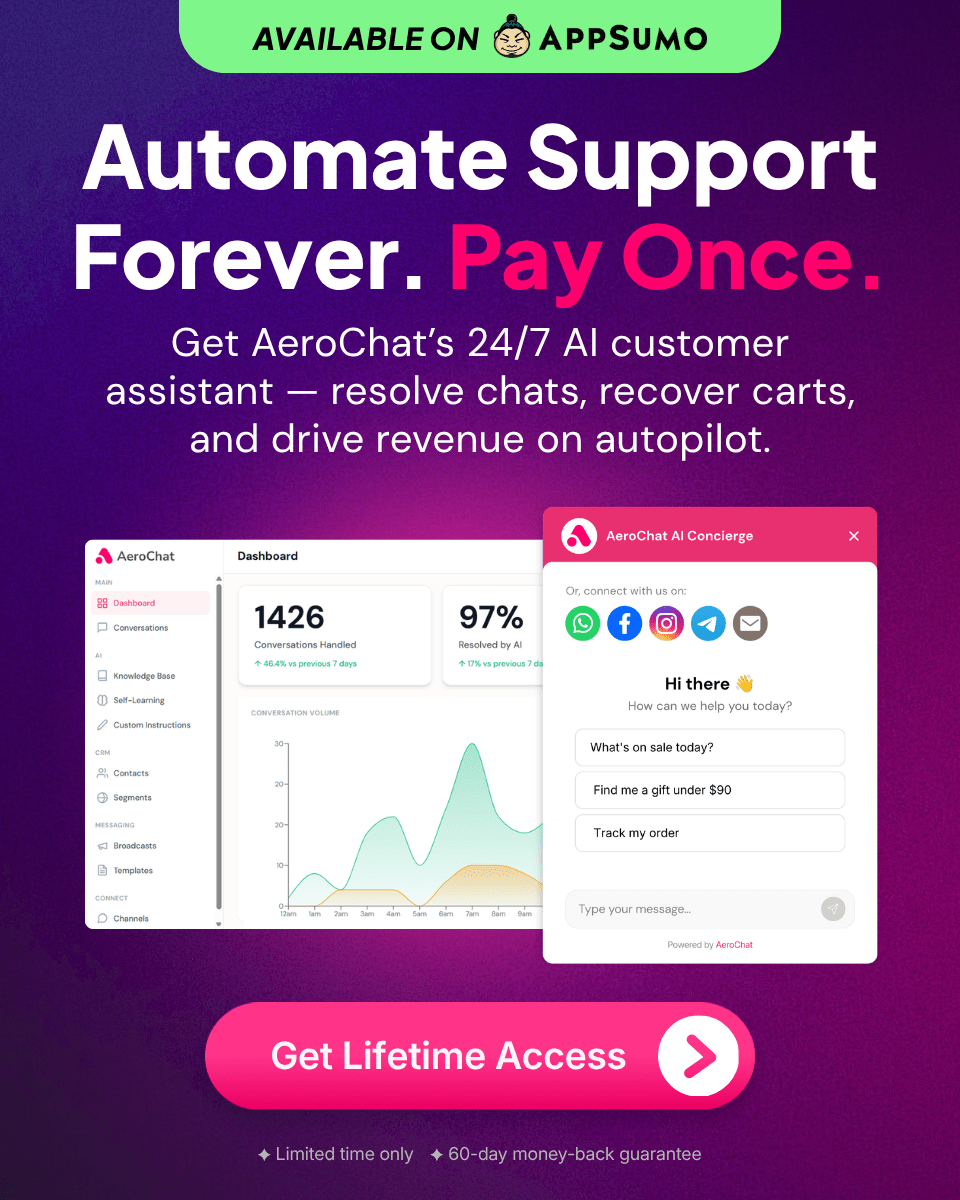
AeroChat is an AI agent platform that helps online businesses run customer service on autopilot. It can answer product questions, order updates and sales enquiries across website chat, WhatsApp, Instagram, Facebook Messenger, Telegram and email without manual workflow building.
If your store uses WordPress or WooCommerce, a WordPress AI chatbot can help answer customer questions using website content, FAQs, product information and business documents.
7. Delivery, Returns and Trust Will Influence Conversions
Customers want clear answers before they buy. If delivery, returns or refund details are unclear, many shoppers hesitate.
Retail ecommerce stores should make these details easy to find:
- Delivery time
- Shipping cost
- Return window
- Refund process
- Exchange policy
- Order tracking
- Contact options
- Payment security
- Warranty information
- Product authenticity
These details should appear on product pages, FAQs, checkout pages and support conversations.
Order tracking is especially important. Customers often contact support after purchase to ask where their order is. A retail ecommerce business can reduce this workload by using automation to answer order-status questions.
For stores using Telegram as a customer support channel, a Telegram AI chatbot can help manage order questions, delivery enquiries and post-purchase support in one place.
8. Retailers Will Need Better Customer Data
Retail ecommerce growth depends on understanding customers better.
Retailers should track:
- Best-selling products
- Search terms
- Abandoned carts
- Repeat purchases
- Customer support questions
- Return reasons
- Average order value
- Conversion rate
- Revenue by channel
- Customer lifetime value
This data helps retailers make smarter decisions.
For example:
- If many customers ask the same product question, update the product page.
- If customers abandon checkout after seeing shipping fees, review delivery pricing.
- If one product has high returns, improve sizing or product details.
- If many customers ask for recommendations, add guided selling or AI support.
The goal is not to collect data for its own sake. The goal is to improve the shopping experience and remove friction from the buying journey.
9. Automation Will Help Retailers Scale Without Adding More Workload
Retail ecommerce can become difficult to manage as orders, products and customer messages increase.
Automation helps retailers handle more work without immediately hiring more people.
Useful automation areas include:
- Customer support
- Order updates
- Abandoned cart recovery
- Email follow-ups
- Product recommendations
- Inventory alerts
- Review requests
- Segmentation
- Discount campaigns
- Social media replies
The key is to automate repetitive work while keeping humans available for high-value or sensitive conversations.
AeroChat supports smart human handover when a conversation needs a live agent. This allows the AI agent to handle common questions while the support team focuses on complex cases.
For retailers using WhatsApp heavily, a WhatsApp AI chatbot can help automate customer service, order updates and sales conversations on one of the most common messaging channels.
How AeroChat Can Help Retail Ecommerce Businesses
AeroChat helps retail ecommerce businesses run customer service on autopilot across website chat, WhatsApp, Instagram, Facebook Messenger, Telegram and email. Instead of managing each channel separately, retailers can handle customer conversations from one platform.
For Shopify stores, AeroChat’s Shopify AI chatbot integration can support product questions, order updates, product recommendations, discounts and post-purchase enquiries without manual workflow building or complex chatbot setup.
Retailers using WordPress or WooCommerce can also use a WordPress AI chatbot to train the AI agent on website content, FAQs, product information and store policies. This helps customers get faster answers while reducing repetitive support work for the team.
AeroChat can also support customer conversations on messaging channels such as WhatsApp AI chatbot and Telegram AI chatbot, helping retail ecommerce brands respond faster, recover more sales opportunities and scale support without adding extra manpower.
Common Retail Ecommerce Challenges
Retail ecommerce offers many opportunities, but retailers still face practical challenges.
High Competition
Many online categories are crowded. Retailers need clear positioning, better product pages and stronger customer experience to stand out.
Slow Customer Response
Slow replies can lead to lost sales, especially when customers are asking questions before purchase.
Cart Abandonment
Customers may abandon carts because of shipping fees, lack of trust, unclear returns or complicated checkout.
Poor Product Discovery
If customers cannot find the right product quickly, they may leave without buying.
Scattered Customer Conversations
Messages from website chat, WhatsApp, Instagram and email can become difficult to manage if they are not connected.
Returns and Refunds
High returns can reduce profit and create support workload. Clear product information and better pre-purchase guidance can help reduce this problem.
Retail Ecommerce Growth Strategies for 2026
To grow a retail ecommerce business in 2026, focus on customer experience, not just traffic.
Here are practical strategies to use:
| Strategy | Why It Matters |
|---|---|
| Improve product pages | Helps customers make confident buying decisions |
| Add AI customer support | Reduces repetitive enquiries and improves response speed |
| Use product recommendations | Helps shoppers discover suitable products faster |
| Optimise mobile shopping | Makes buying easier for mobile-first customers |
| Connect messaging channels | Keeps customer conversations organised |
| Make delivery and returns clear | Builds trust and reduces hesitation |
| Use social commerce | Turns social engagement into product discovery |
| Track customer questions | Reveals gaps in product pages and FAQs |
| Automate order support | Reduces post-purchase workload |
| Improve retention | Helps increase repeat purchases and customer lifetime value |
Retail Ecommerce vs Traditional Retail
Retail ecommerce and traditional retail can work together, but they operate differently.
| Area | Retail Ecommerce | Traditional Retail |
|---|---|---|
| Sales channel | Online store, app, marketplace or social commerce | Physical store |
| Opening hours | 24/7 | Limited by store hours |
| Customer support | Chat, email, social, messaging apps | In-person or phone |
| Product discovery | Search, filters, recommendations, content | Store layout and staff guidance |
| Data tracking | Easier to measure behaviour and conversions | Harder without digital systems |
| Reach | Local, national or global | Usually location-based |
| Costs | Platform, marketing, fulfilment and support tools | Rent, staff, utilities and inventory space |
The strongest retailers often combine both. Physical stores build trust and brand presence, while ecommerce helps scale reach and convenience.
Final Thoughts
Retail ecommerce in 2026 is about more than selling products online. Customers expect fast replies, helpful product guidance, smooth checkout, clear delivery information and support across the channels they already use.
Retailers that grow will be those that make online shopping easier and more responsive.
To compete, focus on strong product pages, mobile-first design, social commerce, AI customer support, omnichannel messaging and better post-purchase support. The more friction you remove from the customer journey, the easier it becomes to turn visitors into buyers and buyers into repeat customers.
FAQs About Retail Ecommerce
What is retail ecommerce?
Retail ecommerce is the process of selling retail products directly to customers through online channels such as ecommerce websites, marketplaces, mobile apps and social media shops.
What is an example of retail ecommerce?
An example of retail ecommerce is a fashion brand selling clothes through a Shopify store, or a beauty retailer selling skincare products through a WooCommerce website.
Why is retail ecommerce important?
Retail ecommerce is important because it helps businesses reach more customers, sell 24/7, collect customer data and support buyers across digital channels.
What are the biggest retail ecommerce trends in 2026?
The biggest retail ecommerce trends include AI-powered shopping, omnichannel support, social commerce, mobile-first shopping, personalised product discovery, flexible delivery and customer service automation.
What challenges do retail ecommerce businesses face?
Common challenges include high competition, cart abandonment, slow customer replies, scattered support channels, unclear delivery information and poor product discovery.
How can AI help retail ecommerce?
AI can help retail ecommerce businesses automate support, recommend products, answer customer questions, support order tracking, personalise offers and reduce repetitive manual work.
Is retail ecommerce only for large brands?
No. Retail ecommerce works for small, mid-sized and large businesses. The key is to choose the right niche, build trust and create a smooth online shopping experience.
How can AeroChat help retail ecommerce stores?
AeroChat helps retail ecommerce stores automate customer service, product enquiries, order updates and sales conversations across web chat, WhatsApp, Instagram, Facebook Messenger, Telegram and email from one platform.