

Post Purchase Behaviour in Ecommerce: Strategy Guide 2026
Post purchase behaviour refers to how customers think, feel, and act after completing a purchase. For Shopify and WooCommerce stores, this stage directly impacts retention, refunds, and repeat sales.
Most ecommerce brands focus heavily on acquisition — ads, product pages, checkout optimisation — but forget what happens after the sale.
In reality, post purchase behaviour determines:
-
Whether customers request refunds
-
Whether they leave reviews
-
Whether they buy again
-
Whether they recommend your brand
If you’re seeing rising support tickets after checkout, you may already be experiencing the impact of poor post purchase systems — similar to the issues discussed in manual support killing margins on Shopify.
Why Post Purchase Behaviour Is Critical for Ecommerce Growth
After checkout, customers enter an emotional evaluation phase.
If communication is weak, delays happen, or questions go unanswered, dissatisfaction grows.
Slow replies during this stage often increase frustration and refund risk — as explained in the hidden cost of slow replies on Shopify.
Post purchase optimisation reduces:
-
Refund rate
-
WISMO tickets
-
Negative reviews
-
Customer churn
The 5 Stages of Post Purchase Behaviour
1. Immediate Confirmation Phase
Customers want reassurance immediately after checkout.
If confirmation is unclear or delayed, anxiety increases.
Many brands improve this stage using automate customer messages on Shopify to instantly send confirmations and support links.
2. Cognitive Dissonance (Buyer’s Doubt)
Customers may think:
-
Did I make the right choice?
-
Was this worth the price?
Quick engagement reduces doubt.
Smart stores use AI-driven communication to reinforce value during this stage.
3. Shipping & Tracking Stage
This is where most post purchase friction occurs.
Customers ask:
“Where is my order?”
Instead of replying manually, ecommerce brands reduce WISMO tickets using:
reduce WISMO tickets on Shopify
automate order tracking on Shopify
Automation dramatically lowers post purchase complaints.
4. Product Evaluation Stage
Once the product arrives, customers assess:
-
Quality
-
Accuracy
-
Expectations vs reality
If confusion remains, support messages increase.
Brands that reduce repetitive product questions often implement strategies.
5. Retention & Repeat Purchase Stage
After usage, customers decide whether to:
-
Reorder
-
Recommend
-
Leave a review
-
Ignore the brand
Common Post Purchase Problems in Shopify & WooCommerce
|
Problem |
Impact |
|---|---|
|
Slow support replies |
Lost trust |
|
High ticket volume |
Burnout |
|
Refund delays |
Negative reviews |
|
Lack of tracking |
Customer anxiety |
|
Manual workflows |
Higher costs |
When stores fail to automate post purchase communication, support overload happens.
How AI Improves Post Purchase Behaviour in 2026
Modern ecommerce brands don’t rely on reactive support.
They implement AI systems that:
-
Respond instantly
-
Provide 24/7 support
-
Automate tracking
-
Handle refund workflows
-
Reduce support cost
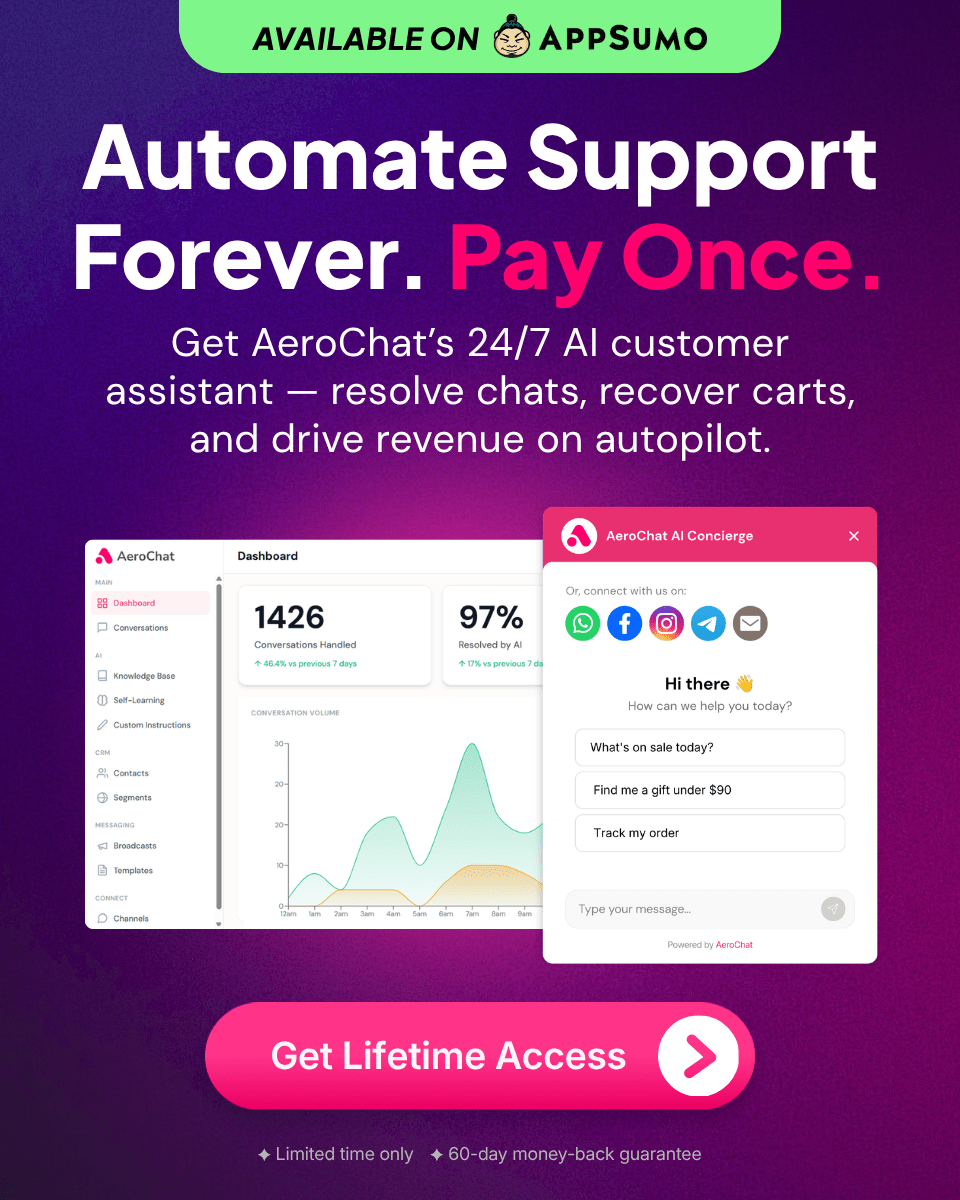
Platforms like AeroChat help Shopify and WooCommerce stores:
This shifts post purchase behaviour from reactive to proactive.
Post Purchase Behaviour Metrics to Track
To optimise this stage, monitor:
|
Metric |
Why It Matters |
|---|---|
|
Repeat Purchase Rate |
Measures loyalty |
|
Refund Rate |
Indicates dissatisfaction |
|
First Response Time |
Impacts trust |
|
Ticket Volume |
Shows friction |
|
Customer Lifetime Value |
Long-term profitability |
Reducing response time is one of the biggest improvements stores can make. If replies are delayed, customers may abandon or request refunds.
Smart Post Purchase Automation Workflow
Here’s what modern ecommerce brands do:
-
Instant confirmation message
-
Automated tracking updates
-
Proactive satisfaction check
-
Intelligent review request
-
Cross-sell recommendation
-
Automated support routing
This transforms post purchase behaviour into a growth engine.
Final Takeaway
Post purchase behaviour determines whether a customer becomes:
-
A repeat buyer
-
A loyal advocate
-
Or a refund request
Shopify and WooCommerce brands that optimise post purchase communication outperform competitors.
In 2026, ecommerce growth doesn’t stop at checkout.
It begins there.