
Can AI Chatbots Replace Customer Service Teams? (Pros & Cons)
AI chatbots are computer programs that can talk to customers and answer their questions automatically. They use artificial intelligence to understand messages and provide quick responses. Many businesses now use them to help with customer support, handle simple tasks, and reduce the workload on human teams.
But can these chatbots fully replace human customer service teams? While they are fast and work 24/7, they cannot show real empathy or handle complicated problems like a person can. In this article, we will look at the pros and cons of AI chatbots and see how they can work alongside humans to improve customer support.
What Are AI Chatbots in Customer Service?
AI chatbots are software programs designed to simulate human conversations using artificial intelligence. They can answer questions, provide information, and guide users through processes without human intervention.
Modern AI chatbots use natural language processing (NLP) to understand customer queries and respond. Some go further. AeroChat, for example, is chat infrastructure that runs customer service and sales workflows: you describe the workflow, and it connects to your systems so it can act, such as looking up an order, not just answer. Businesses can integrate these chatbots into websites, mobile apps, and messaging platforms to provide instant support.
AI chatbots are particularly useful for handling repetitive or simple queries, freeing human agents to focus on more complex tasks. This combination of human expertise and AI is changing how customer service teams work.

Pros of AI Chatbots in Customer Service
AI chatbots provide 24/7 support, handle multiple queries instantly, save costs, and offer multilingual assistance, making customer service faster and more efficient.
1. 24/7 Availability
Unlike human agents, AI chatbots never sleep. They provide round-the-clock support, which is especially helpful for global businesses serving customers across different time zones.
2. Cost Savings
Employing a full customer service team can be expensive. AI chatbots reduce operational costs by handling a large volume of queries without extra staff. This makes them ideal for startups and growing businesses.
3. Fast Response & Handling Multiple Queries
AI chatbots can respond instantly to thousands of customer queries simultaneously. Human agents, no matter how skilled, cannot match this speed. This ensures customers receive quick support, improving satisfaction and retention.
4. Multilingual Support
AI chatbots can communicate in multiple languages. Businesses in multicultural regions like Singapore or international markets like the USA can use chatbots to serve diverse audiences without hiring multilingual staff.
5. Scalability
During peak seasons or sudden spikes in customer requests, AI chatbots can handle increased traffic without additional resources. This flexibility is impossible with human-only support teams.
Example: Many e-commerce companies in the USA and Singapore use AI chatbots to manage order inquiries, tracking updates, and FAQs during busy holiday seasons, reducing wait times drastically.
Cons of AI Chatbots in Customer Service
AI chatbots lack human empathy and may struggle with complex or unusual queries. Customers sometimes prefer human agents for personalized support and problem-solving.
1. Lack of Human Empathy
While AI chatbots can answer questions, they cannot truly understand human emotions. Customers facing sensitive or complex issues often prefer talking to a human agent who can empathize.
2. Complex Query Handling Limitations
AI chatbots struggle with complex or unusual queries. They work best with predictable, routine questions. Human intervention is required for exceptions or technical troubleshooting.
3. Escalation Challenges
Some customers may get frustrated if a chatbot fails to resolve their issue. Efficient escalation processes must be in place to transfer customers to human agents without them repeating themselves.
4. Customer Trust Issues
Not all customers feel comfortable interacting with AI. Some may perceive chatbots as impersonal or unreliable, impacting brand trust if not managed properly.
Example: A bank might use a chatbot for loan inquiries. Customers get fast answers to basic questions but still need a person for detailed explanations of their own situation.
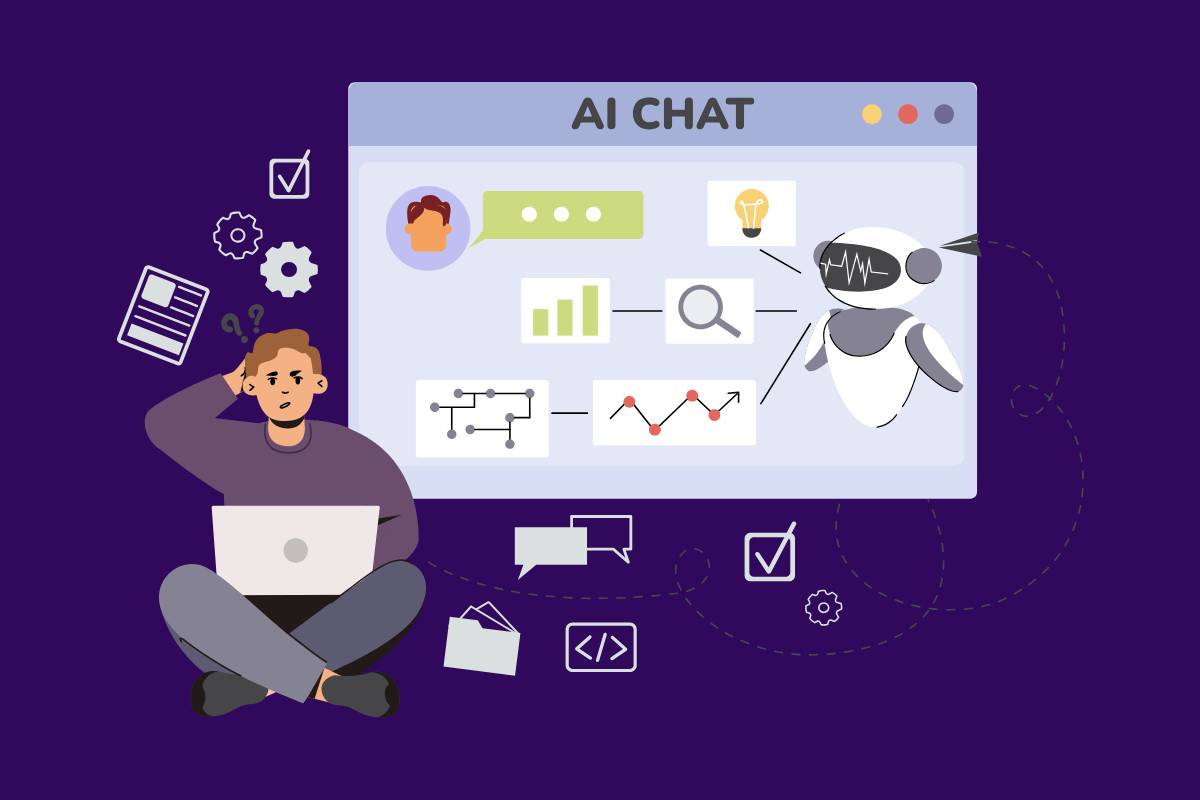
Can AI Chatbots Fully Replace Human Teams?
The short answer: No. AI chatbots are highly effective for routine tasks, but human agents remain essential for emotional intelligence, problem-solving, and complex decision-making.
The ideal approach is a hybrid model where AI handles repetitive queries and humans manage advanced issues. This approach improves efficiency, reduces costs, and maintains customer satisfaction.
Many businesses already run this hybrid approach, with an AI chatbot answering first and handing conversations to a person with the full context when needed.
In a Shopify Store: What AI Takes Over From Live Chat
For online stores, the line is fairly clear. AI connected to live store data can take over:
-
Order tracking: “Where is my order?” answered from the actual order record.
-
Refund and return questions: eligibility, timelines and policy explained the same way every time.
-
Pre-purchase questions: features, availability, compatibility and delivery times, while the shopper is still deciding.
-
Out-of-hours cover: weekends and holidays without extra shifts.
Live agents remain needed for disputes, refunds outside the normal rules, emotional conversations and VIP customers. Set the limits for the AI, such as the largest refund it may approve, and let it hand anything beyond them to your team.
Use Cases of AI Chatbots
E-commerce Support: AI chatbots manage order tracking, product recommendations, and FAQs for online stores. Small online stores often start with WhatsApp chatbots to answer order questions without waiting for an agent.
Banking & Finance: In Singapore, banks use chatbots to answer account-related questions and provide loan information. Customers get quick responses while human agents handle personalized financial advice.
IT & Tech Support: AI chatbots in IT companies handle password resets, software troubleshooting, and ticket submissions. Complex technical issues are escalated to expert engineers.
Healthcare Assistance: Some hospitals use AI chatbots to schedule appointments, provide basic information, and send reminders. Human healthcare providers focus on consultations and treatment.
These examples show that AI chatbots are most effective when complementing human teams, not replacing them entirely.
Future of Customer Service with AI
AI will continue to advance, providing more personalized and intelligent support. Key trends include:
-
Hybrid Support: AI handles routine queries while humans tackle complex ones.
-
Predictive Assistance: Chatbots anticipate customer needs using data analytics.
-
Personalization: AI chatbots will offer more personalized experiences based on user behavior.
-
Global Reach: Multilingual support and localization will expand AI chatbot adoption worldwide.
By adopting AI chatbots strategically, businesses can enhance efficiency while maintaining the human touch necessary for customer satisfaction.
Conclusion
AI chatbots cannot fully replace human customer service teams. They are best used as a complementary tool to increase efficiency, reduce costs, and provide faster responses.
Businesses benefit most from a hybrid approach, where AI handles routine queries and human agents provide personalized support.
Start by listing the questions your team answers most often, automate those, and keep your people on the conversations that need judgement.
Start your 7-day free trial. No credit card needed. Sign up for AeroChat. On Shopify? Install AeroChat from the Shopify App Store.
FAQ’s
Can AI completely replace human customer service?
No. AI handles simple tasks efficiently, but human agents are needed for empathy, complex problem-solving, and critical decision-making.
What are the main advantages of AI chatbots?
They offer 24/7 support, cost savings, fast response, scalability, and multilingual capabilities.
What are the limitations of AI chatbots?
They lack empathy, struggle with complex queries, require escalation processes, and may face customer trust issues.
Which industries benefit most from AI customer service?
E-commerce, banking, IT, healthcare, and SaaS companies benefit greatly from AI chatbots.
How does AeroChat.ai improve customer support?
AeroChat runs the customer service workflows you describe, connected to your own systems, and replies in your customer’s language. It handles routine requests such as order lookups and hands complex issues to your team with the conversation context.